
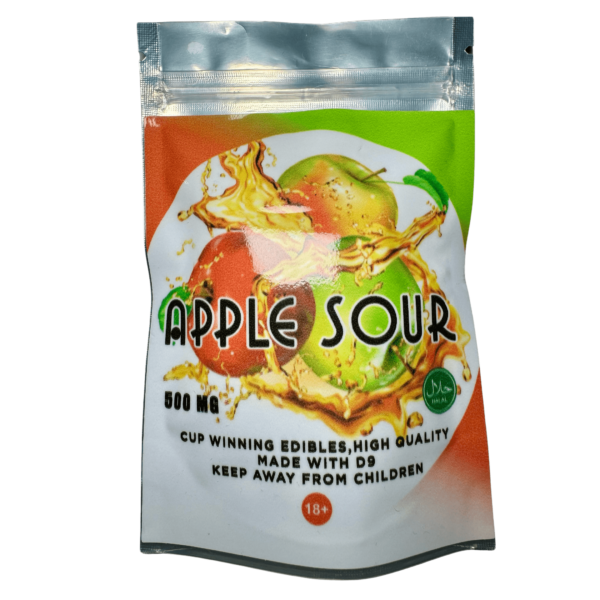
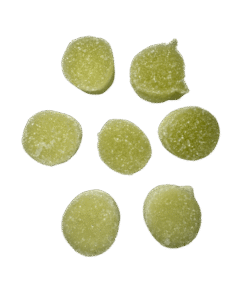
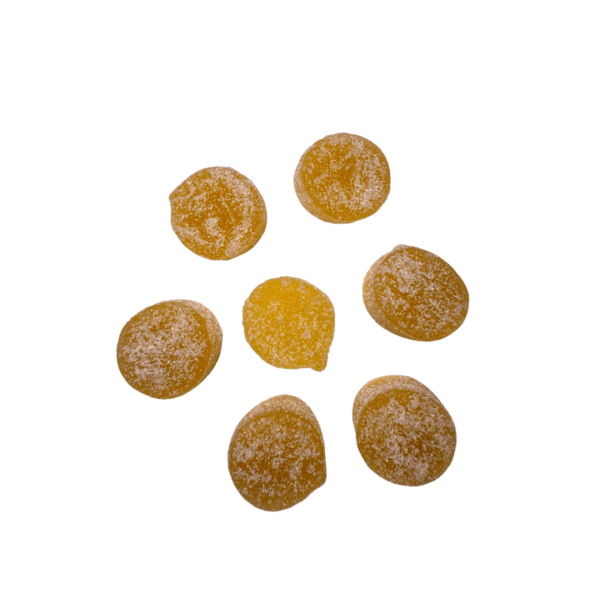

Apple Sour
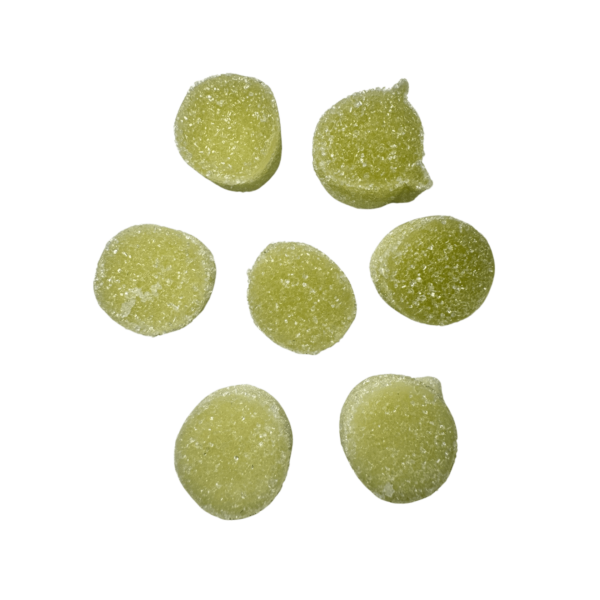
Apple Sour – THC : The last sentence in my previous post may also fit the sentiment remarkably well at this wonderful stage of our NOTRE DAME journey.
Apple Sour is a classic term for a strain typically recognized by its tangy aroma and unique terpien profile. The term “Apple Sour – THC” is commonly used today to describe the properties of a particular strain or oil however as a concerned botanist this is not sufficient, the only manner in which these chemicals should be referred to and advertised is by their actual proper chemical names. Like many modern cannabis strains, Apple Sour is an example of where selective breeding, plant chemistry and branding intersect in the world of modern plant genetics.
Genetic Background
Apple Sour is a hybrid and can be classified as such based on its genes, which are derived from the indica and sativa families. While precise lineage information may differ depending on the breeder, strains with “Sour” in their name often have connections to the extended Sour Diesel family known for its distinct petrol smell and explosive indoor growth tendencies. The “Apple” part of the name describes the fruit-flavored aroma and taste profile, and this is most often a result of intentional selections to achieve targeted terpene expressions by breeding parent plants.
This kind of hybridization is a major trend in contemporary cannabis breeding, in which known genetic lines are combined to create new plants with specific traits-whether that be smell, appearance, structure or chemistry. Apple Sour provides us with an insight into how breeders develop unique botanical personalities using tried and tested genetic blueprints.
The Place of THC in a Botanical Gallery
THC (tetrahydrocannabinol) is a primary cannabinoid that occurs naturally in cannabis plants. For the record, in a biological sense, cannabinoids are elemental compounds produced naturally by the plant’s trichomes: tiny resin glands that envelope flowers and adjacent leaves. These compounds have ecological roles such as insect protection, photoprotection and resistance to environmental stresses.
For strains such as Apple Sour, levels of THC are just one of many quantifiable chemical attributes that include other cannabinoids and terpenes. Though THC tends to be the main conversation topic, it is part of a larger chemical system that also includes compounds such as cannabidiol (CBD), cannabigerol (CBG) and fragrant molecules known as terpenes.
Aroma and Terpene Profile
What stands out about Apple Sour is it’s sharp & tart aroma – most frequently referred to as a cross between green apple, citrus peal and soil notes. The smell comes from its terpene mix, not the cannabinoids.
Some of the most prevalent terpenes in apple and sour scented strains include:
Limonene – known for citrusy and bright fruit notes
Myrcene -provides earthy, herbal dimension
Caryophyllene – lends a bit of spice and warmth.
Pinene – with a fresh, sharp and green character
Together, they make the complex flavor known as “sour fruit” and that’s how Apple Sour got its name. In the natural world, terpenes protect plants from pests and environmental stress, but they also play a role in how plants interact with other organisms.
Botanical Characteristics
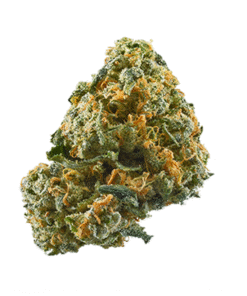
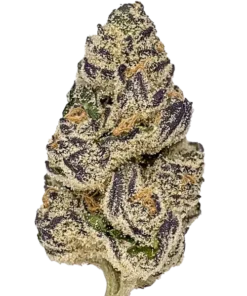
Apple Sour tends to grow like a lot of hybrid cannabis plants in the horticulture sense, reaching moderate sizes with an even canopy thanks so a combination of naturally-spread leaves and thick buds. The buds themselves are typically a bright green color and can be accented by crimson colored pistils along with a heavy cover of trichomes. These are the resin glands where cannabinoids and terpenes are created and stored.
Hybrids like Apple Sour are often the subjects of study by growers and researchers, as they show how selective breeding can fine-tune plant traits. Through the observation of growth manner, trichome density.
Cultural and Linguistic Influence
Hazy and tangy flavors like “Apple Sour” are part of a trend in the larger stoner culture toward descriptive, flavor-inspired branding. Older strain names focused on place of origin or the shape of the plant, while new ones focus on scent, taste and way of life. This follows a trend in other plant industries based on coffee, tea and specialty fruit production in which the flavor profile of the product and sensory descriptors influence the interests of consumers.
Be the first to review “Apple Sour – THC”
Related products

THC Flowers
Thc flower uk
THC Vapes
Thc flower uk

THC Flowers

THC Flowers

THC Flowers
Reviews
There are no reviews yet.